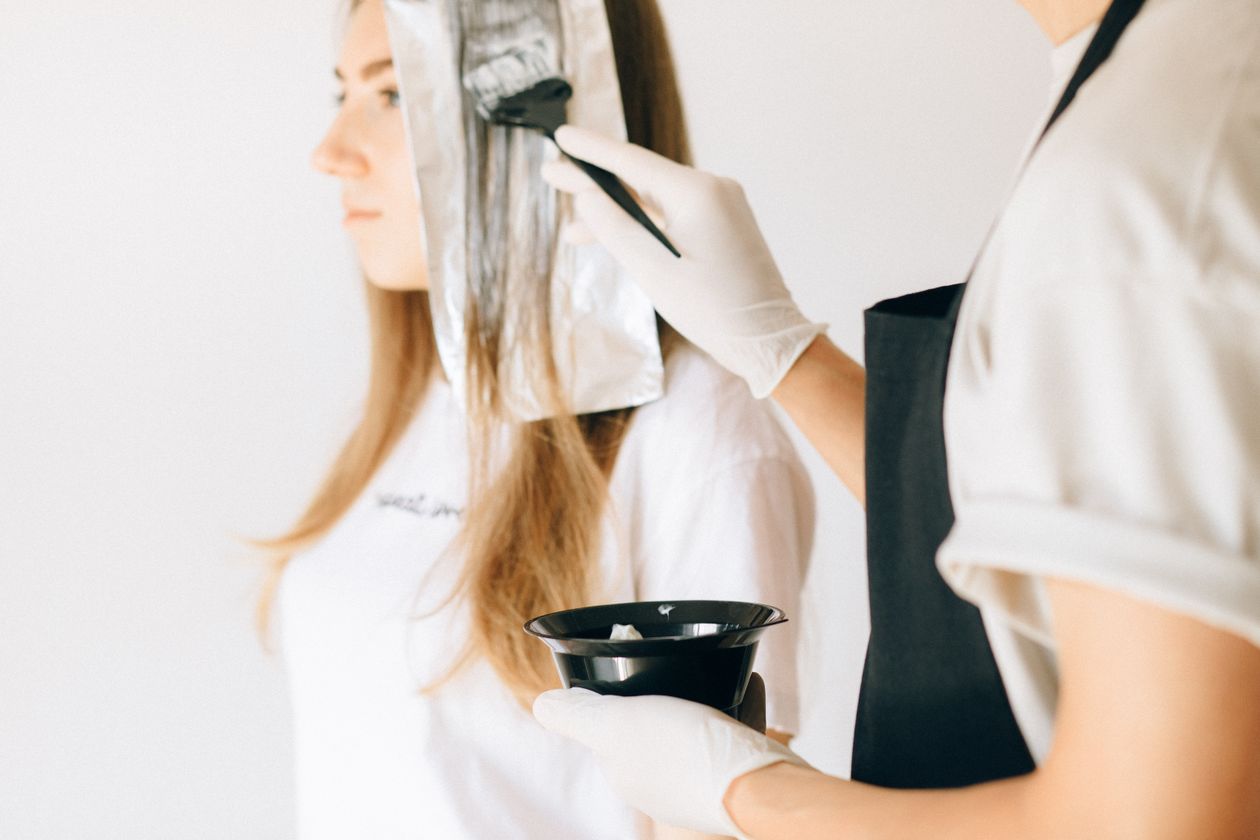
Highlight menus assume you already speak the language. Partial, full, dimensional: the words describe placement, and most clients pick by price because nobody explained the map. A partial highlight places foils through the top of the head, the crown, the hairline, and the part, the areas the eye actually sees. A full highlight foils the whole head, including the underneath layers that show when hair moves, goes up, or is pulled back.
Neither is a lesser service. They are different tools, and Mooresville clients routinely overbuy one and underbuy the other. This guide draws the placement map, matches each service to the hairstyles and routines it serves, and explains the upkeep rhythm that follows from each choice.
The placement map
Picture the head in zones. A partial covers the top zone: along the part, around the face, and over the crown. When hair is worn down, that is almost everything visible, which is why a partial reads as a full transformation in the mirror and in photos from the front. What it does not touch is the underneath, the layers at the nape and below the ears that stay your base color.
A full highlight extends the foiling through those lower zones too, so the lightness continues all the way through the hair. The difference announces itself in motion and in updos: ponytails, buns, braids, and half-up styles pull the underneath layers into view, and a full highlight keeps the color story consistent when they appear.
Who each service honestly suits
Wear your hair down nearly always, and a partial is the rational service, often alternated with an occasional full to keep the underneath from drifting too dark over many months. Many colorists run exactly that rotation with long-term clients: partial, partial, full. The client gets the visible effect at every visit and the complete reset a few times a year.
Live in a ponytail, work a job that requires hair up, swim with your hair piled on your head, or wear braids and updos for events, and the full highlight stops being a luxury. It is the version of the service that matches how your hair is actually seen. The same logic applies to very short hair, where a partial and a full nearly converge, and the price difference shrinks with the amount of hair involved.
Dimensional color, decoded
Dimensional is the other word on the menu, and it simply means the result uses more than one shade: highlights woven with lowlights or a base color so the hair shows depth rather than a single flat lightness. Hair in nature is dimensional. No child's hair is one color, and the sun lightens the top more than the underneath. Dimensional services imitate that pattern deliberately.
Practically, dimensional appointments take longer because more than one formula is being placed in a planned pattern. They suit clients whose complaint is flatness, hair that reads as one solid sheet of color, more than clients whose complaint is darkness. Naming your actual complaint at the consultation, flat, dark, brassy, or grown out, points the stylist at the right combination faster than naming a service does.
| Choice | Where foils go | Best for | Typical return |
|---|---|---|---|
| Partial highlights | Top, crown, part, hairline | Hair worn down most days | 8-12 weeks |
| Full highlights | Whole head, incl. underneath | Ponytails, updos, braids | 8-12 weeks |
| Dimensional color | Highlights plus lowlights or base | Hair that reads flat | Per consultation |
| Toner or glaze | No foils, tone only | Brassiness between services | 4-6 weeks |
Upkeep and the grow-out difference
Highlights grow out at the root like any color, but the line is softer than a solid color's, because the lightened pieces are woven rather than continuous. That softness is why highlight clients can often stretch eight to twelve weeks between appointments while solid color clients are back at four to six. The finer and more blended the weave, the more forgiving the grow-out, a real consideration for clients who know their schedule will slip.
Toner is the maintenance piece clients skip and regret. Highlighted hair is lightened hair, and lightened hair drifts warm over weeks of sun, minerals, and washing. A toner or glaze appointment between highlight services corrects the tone in a short visit without new foils. When highlights look dull or brassy at week six, the lightness is usually fine. It is the tone that has wandered.
Choosing at the consultation
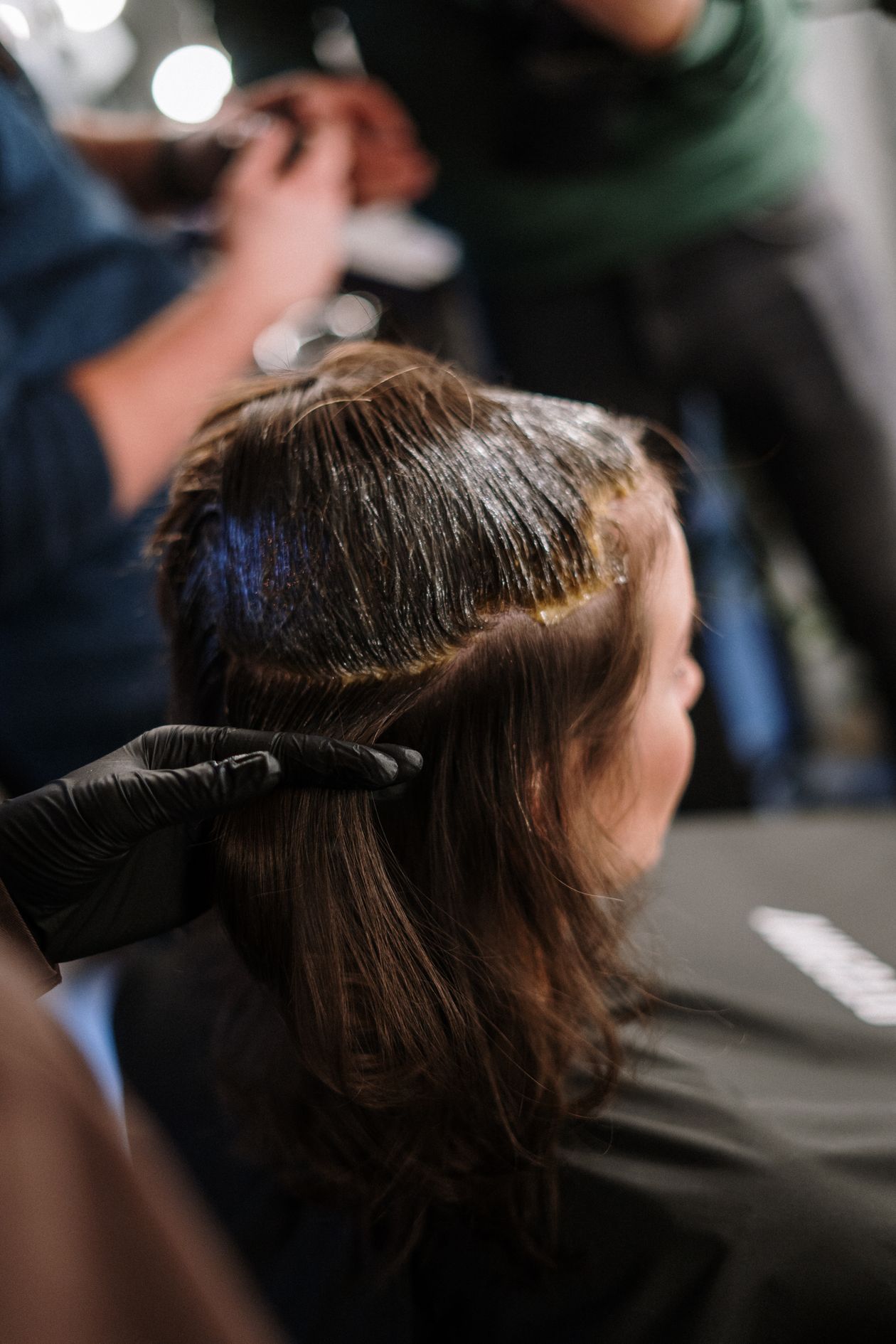
Bring two facts to the appointment: how you wear your hair most days, and how often you will realistically come back. Those two answers settle the partial versus full question more reliably than any photo. A stylist looking at your current hair can also see the history in it, previous color, old highlights grown out, and can tell you which service gets you to your picture in one visit and which gets there in two.
And expect the answer to change over time. A client who starts with a full transformation often maintains it with partials. A client heading toward a big change, lighter overall or hair that will be worn up for a wedding season, moves the other way. The menu words are just zones on a map. Once you can picture the map, you will never guess at them again.
Common questions
What is the difference between partial and full highlights?
Placement. Partials foil the top, crown, part, and hairline. Full highlights foil the whole head, including the underneath layers that show in ponytails and updos.
How often do highlights need redoing?
Typically every eight to twelve weeks, since woven highlights grow out with a softer line than solid color. A toner between visits corrects tone drift in a short appointment.
What does dimensional color mean?
More than one shade placed deliberately: highlights combined with lowlights or a base color, so hair shows depth instead of a single flat lightness.
Photos in this guide are representative stock images.
← All guides from Salon Zele← Back to Salon Zele