Children's haircuts occupy their own lines on salon menus, usually split into a dry cut and a cut with a shampoo service for the under-12 set, and parents often book the first one with more anxiety than the child feels. The service itself is simple. The variables are the child's mood, the appointment's timing, and whether the adults have quietly prepared the ground. Salons do this every week and have seen every version of a wiggly first-timer.
This guide covers what the under-12 appointments at a Mooresville salon like Salon Zele actually involve, how to prepare a child who has never sat in the chair, the timing choices that prevent meltdowns, and when to choose the dry cut over the full shampoo version.
What the two kids' services mean
A child's dry cut is exactly what it sounds like: the hair is cut dry or lightly misted, without a trip to the shampoo bowl. It is shorter, simpler, and the right choice for young or nervous children, because the shampoo bowl, head back, water near the face, is the part of a salon visit small children most often object to. Dry cuts also suit quick tidy-ups and fringe fixes between bigger appointments.
The cut with shampoo adds the full wash at the bowl before the cut. Older children, roughly seven and up, often enjoy it and feel properly grown up, and a wash gives the stylist cleaner, more even hair to cut, which matters for longer styles. The choice is about the child's tolerance and the haircut's complexity, not about one being the better service.
Prepping a child who has never been
Preparation works best as description, not persuasion. Tell the child what will happen in order: a special chair, a cape like a superhero wears, the stylist will spray and comb and snip, it does not hurt, and it will take about as long as a cartoon episode. Children fear surprises, not scissors. A child who has heard the sequence in advance usually walks in curious.
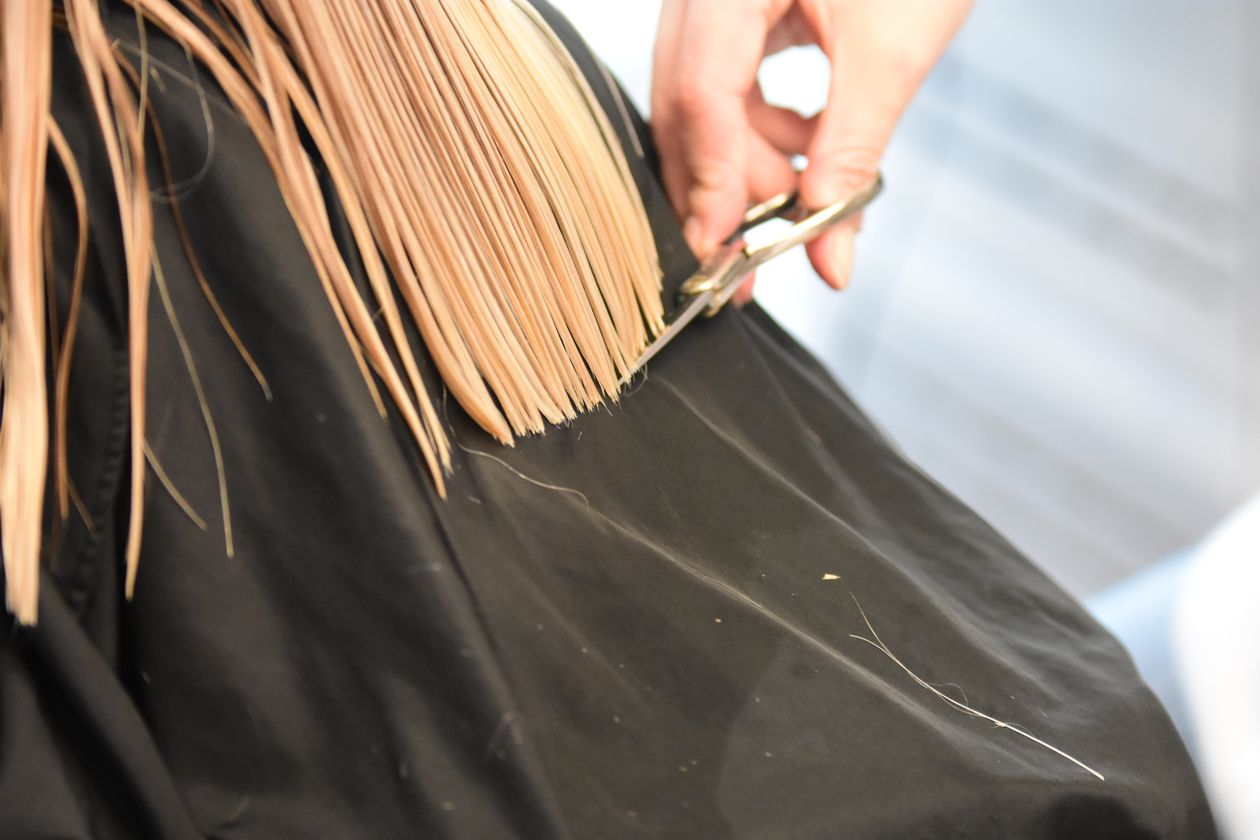
Let them watch a parent's appointment first if the salon is amenable, or arrive a few minutes early so the room, the chairs, the dryers, the noise, is familiar before they are in the seat. Bring the comfort object if there is one, and a spare shirt in case cut hair through a cape makes someone itchy and done. Loose hairs on a small neck have ended more haircuts than fear ever has.
Timing is most of the game
Book at your child's best hour, which for most young children is mid-morning: fed, rested, and not yet worn out by the day. Avoid nap time, the hour before lunch, and the end of a long day of errands. Tell the salon when booking that it is a first cut or that your child is nervous. Stylists pace the appointment differently when they know, building in a minute to let the child hold the comb and hear the clippers before anything starts.
Keep the gallery small. One calm adult at the chair works better than a full family audience with cameras, which raises the performance pressure on everyone. Siblings who have had cuts before are the exception: a big brother sitting fine in the next chair is worth more reassurance than any speech a parent can give.
- Book mid-morning, at your child's best and fed hour
- Tell the salon it is a first cut when you book
- Describe the chair, cape, and snips in advance at home
- Arrive a few minutes early so the room feels familiar
- Bring a comfort object and a spare shirt for itchy clippings
- One calm adult at the chair, cameras away
- Choose the dry cut for young or nervous first-timers
During the cut
Expect movement. Stylists who cut children's hair are trained to work with a moving target, cutting in a forgiving order and checking the shape in the calm moments. Short breaks are normal. A stylist may do the bulk of the cut, pause for a reset, and finish the details after. This is the service working as designed, not a problem unfolding.
If a child reaches true distress, the professional move is to stop with the hair in a presentable state and finish another day. Most salons would rather see you twice than push a crying child through the last five minutes and teach them that the salon is a place where bad things continue. A first haircut that ends early and kindly leads to a second haircut that goes fine.
Growing into regular appointments
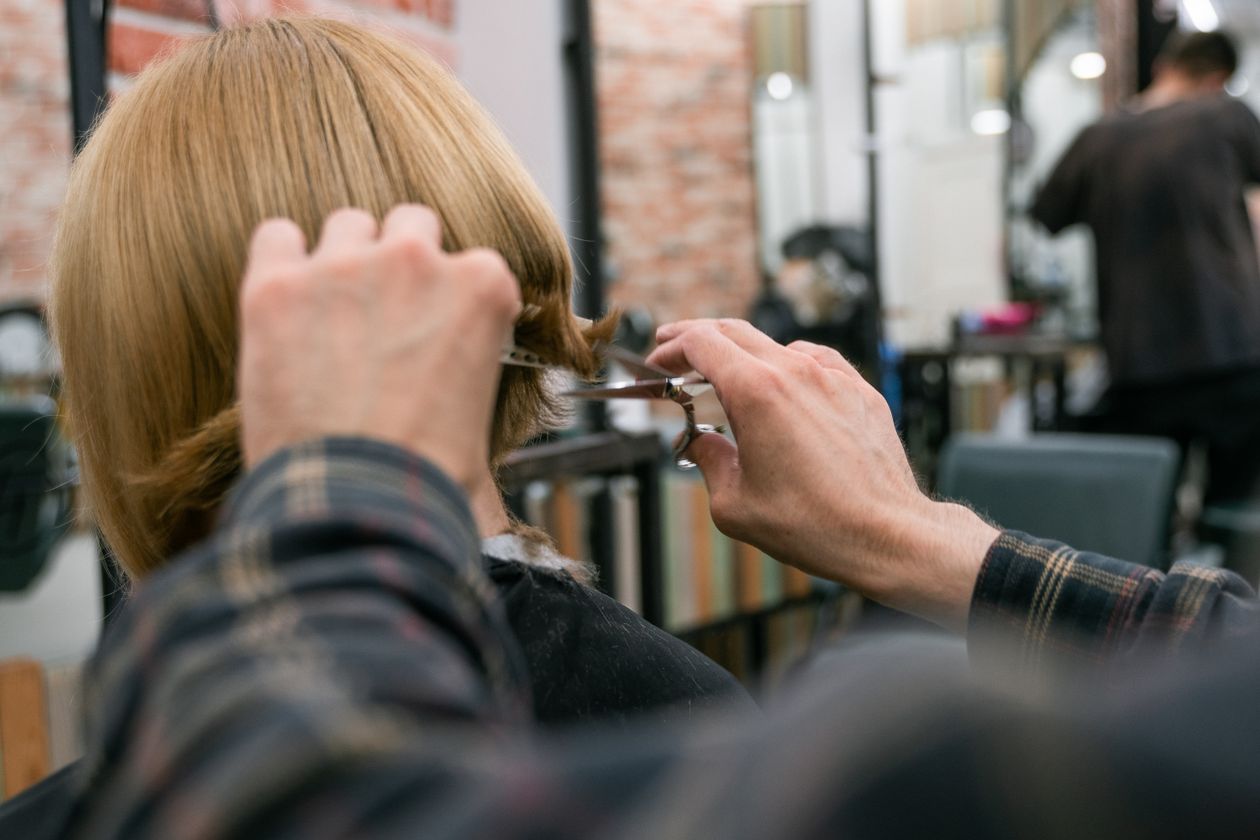
After the first visit or two, children settle fast. The same stylist, the same chair, and a predictable rhythm turn the appointment into a routine errand they may even look forward to, especially if the salon makes a small fuss over them. Booking the same stylist is worth doing deliberately: familiarity is the entire trick, and it transfers even to bigger services later.
Parents can help between visits by keeping small maintenance at home minimal and unforced: gentle detangling, no battles over daily styling, and letting the salon handle anything with scissors. A child whose only hair experiences at home are arguments arrives expecting the salon to be the same. A child who arrives neutral usually leaves proud, checking the mirror in the car all the way home.
Common questions
What is the difference between a kid's dry cut and a cut with shampoo?
The dry cut skips the shampoo bowl, which suits young or nervous children and quick tidy-ups. The shampoo version adds a full wash first, giving cleaner hair for longer or more detailed styles.
How should I prepare a toddler for a first haircut?
Describe the sequence in advance, arrive a few minutes early so the room is familiar, book a mid-morning slot, and bring a comfort object and a spare shirt.
What if my child cries and will not finish?
A good stylist will stop with the hair presentable and finish another day. Ending kindly matters more than finishing, because it keeps the next visit easy.
Photos in this guide are representative stock images.
← All guides from Salon Zele← Back to Salon Zele